
Tag: US Economy

  • Trump administration 100 billion tariff refunds 2026

    Trump administration 100 billion tariff refunds 2026

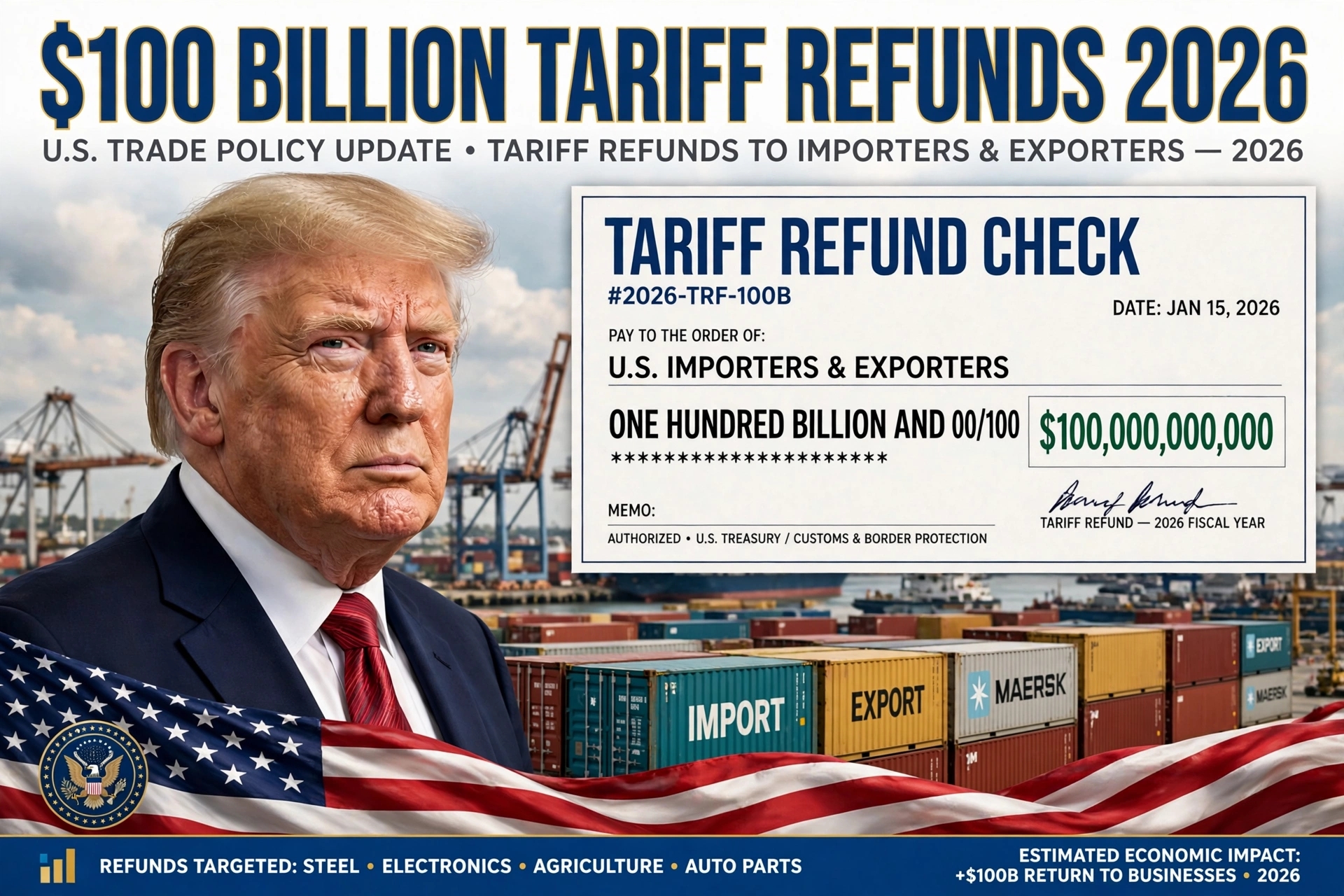
    Trump Administration Pays Out Historic $100 Billion in Tariff Refunds

    The Trump administration has reached a major milestone by distributing approximately $100 billion in tariff refunds to thousands of American businesses, according to a US court filing reported by ABC News on August 5, 2026.

    The refunds represent more than half of the approximately $166 billion collected from importers under tariffs that were subsequently struck down by the US Supreme Court.

    The development marks a significant financial event for American businesses and international trade.

    Why Is the US Government Returning $100 Billion?

    The refunds relate to tariffs imposed under the International Emergency Economic Powers Act (IEEPA). In February 2026, the US Supreme Court struck down the tariffs imposed under this legal authority.

    Following the court’s decision, affected businesses became eligible to seek refunds for duties they had paid on imported goods.

    According to the court filing, the government had distributed approximately $100 billion by the end of July 2026.

    How Much Are Major Companies Receiving?

    Several major American companies have reported receiving substantial tariff refunds.

    CompanyReported refund
    Apple$2.2 billion
    Amazon$600 million
    WalmartEstimated $2.4 billion owed

    These refunds could help companies strengthen their finances, reinvest in operations, manage costs and potentially reduce prices for customers.

    Will American Consumers Get Their Money Back?

    Not necessarily.

    The government is primarily returning tariff payments to the businesses and importers that originally paid them.

    However, many consumers had already paid higher prices because companies passed some tariff-related costs on to customers.

    Some retailers, including Walmart and Costco, have indicated that they may use refunds to support lower prices. Amazon has also indicated that it would contact certain customers and issue refunds where applicable.

    What Does This Mean for the US Economy?

    The $100 billion refund milestone could have several economic implications:

    1. Business Cash Flow: Companies receive additional funds to support their financial position.
    2. Consumer Prices: Some retailers may use refunds to reduce prices.
    3. Corporate Investment: Businesses may reinvest money in innovation, manufacturing and expansion.
    4. International Trade: The decision highlights the financial and legal consequences of US trade policies.
    5. Government Finances: Returning billions of dollars in tariff revenue has implications for federal finances.

    What Should Global Investors Watch?

    International investors should monitor how tariff refunds, trade policy changes and corporate spending decisions affect the US economy.

    Developments in US trade policy can also influence global supply chains, international businesses and financial markets, including India’s export-oriented industries.

    Conclusion

    The Trump administration’s $100 billion tariff refund milestone represents an important development in US trade and economic policy.

    While major corporations are receiving billions of dollars back, the benefits for ordinary consumers remain uncertain. The coming months will reveal how businesses use these funds and whether consumers ultimately benefit through lower prices.

    Source: ABC News

    Disclaimer: This article is for informational and educational purposes only and does not constitute financial or investment advice.
  • US Midterm Election Impact on Global Markets

    US Midterm Election Impact on Global Markets

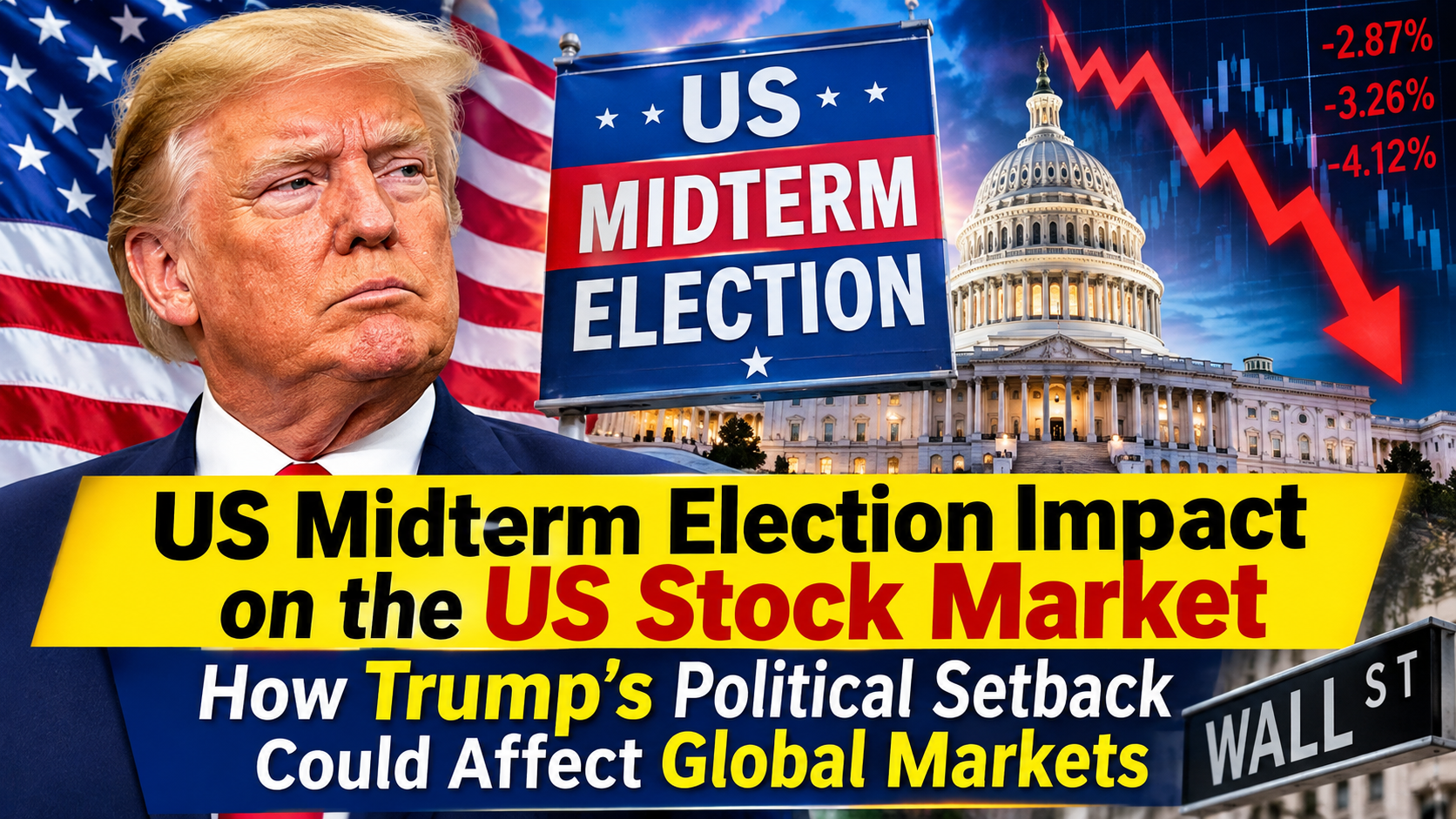
    US Midterm Election Impact on the US Stock Market: How Trump’s Political Setback Could Affect Global Markets

    The 2026 US Midterm Elections have brought a major political development in the United States, with potential consequences for global financial markets. The election results could influence investor confidence, economic policies, international trade, technology regulations and global capital flows.

    For investors in India, the developments are particularly important because movements in the US financial markets can influence the Indian stock market, including the BSE Sensex and NSE Nifty.

    Democrats Win Control of Both Houses of Congress

    In a significant setback for US President Donald Trump, Democrats have won control of both the US House of Representatives and the Senate in the November 3, 2026 midterm elections.

    The result creates a divided political environment for Trump’s remaining two years in office. It could increase congressional scrutiny of the administration’s policies and make some legislative decisions more challenging.

    According to Reuters, global stocks and the US dollar initially faced pressure following the results, but markets subsequently recovered some of their losses.

    How Could the US Midterm Elections Impact the Stock Market?

    The election outcome could influence financial markets through several important factors:

    1. US Stock Market Volatility

    Changes in congressional control can create uncertainty about future economic policies, government spending and corporate regulations. Investors may adjust their portfolios as they assess the potential impact on businesses and financial markets.

    2. Trump’s Tariff Policies

    Trade tariffs remain an important concern for global businesses. Increased congressional scrutiny could affect discussions around US trade policies, although a change in congressional control does not automatically mean existing tariffs will be removed.

    3. Technology and AI Stocks

    Technology companies and artificial intelligence businesses could face greater regulatory scrutiny. Investors will closely monitor developments involving AI companies, semiconductor manufacturers and data-centre investments.

    4. US Dollar and Bond Yields

    Changes in investor confidence, government spending expectations and economic policy could influence the US dollar and Treasury bond yields. These movements can affect international investment flows.

    5. Crude Oil and Global Economy

    Geopolitical developments, particularly tensions involving Iran and the Middle East, could influence international crude oil prices. Higher oil prices may increase inflationary pressure and affect countries that depend heavily on energy imports.

    What Does It Mean for the Indian Stock Market?

    The US election results could also influence India’s financial markets.

    Investors should closely monitor these factors:

    • Sensex and Nifty: Global market sentiment and foreign investment flows could influence Indian equity market movements.
    • FII Investments: Changes in global risk appetite could affect foreign institutional investment in Indian equities.
    • Indian Rupee: Movements in the US dollar could influence the rupee’s exchange rate.
    • Crude Oil Prices: Higher oil prices could increase India’s import expenses and put pressure on inflation.
    • IT Sector: US economic conditions, technology spending and regulatory developments could influence Indian IT companies.
    • Banking and Financial Stocks: Changes in global interest rates and capital flows could affect financial market sentiment.

    What Should Investors Watch Next?

    Following the election results, investors should focus on actual policy developments rather than political headlines alone.

    The key indicators to monitor include:

    1. US Federal Reserve interest rate decisions.
    2. US Treasury bond yields.
    3. Dollar Index movements.
    4. International crude oil prices.
    5. Foreign institutional investor activity.
    6. US trade and tariff policies.
    7. Developments in AI and technology regulations.

    Conclusion

    The 2026 US Midterm Elections have created a new political landscape in Washington, with Democrats controlling both chambers of Congress and President Donald Trump facing increased congressional opposition.

    For global investors, the coming months will be important for understanding how these political developments translate into economic and corporate policy changes.

    For Indian investors, the direction of crude oil prices, the US dollar, bond yields and foreign investment flows may prove more important than the election result alone.

    Disclaimer: This article is for informational and educational purposes only. Stock market investments are subject to market risks. Election outcomes and political developments do not guarantee any particular market movement. Please consult a qualified financial adviser before making investment decisions.